Learn More
Preparing to Sell
Preparing your Wānaka property for sale
A useful preparation plan helps buyers understand the home and reduces avoidable questions during the campaign. Start with the information and maintenance the property needs, then decide which presentation work is worth doing. The right list for a holiday home, established family house, section or lifestyle property will differ.
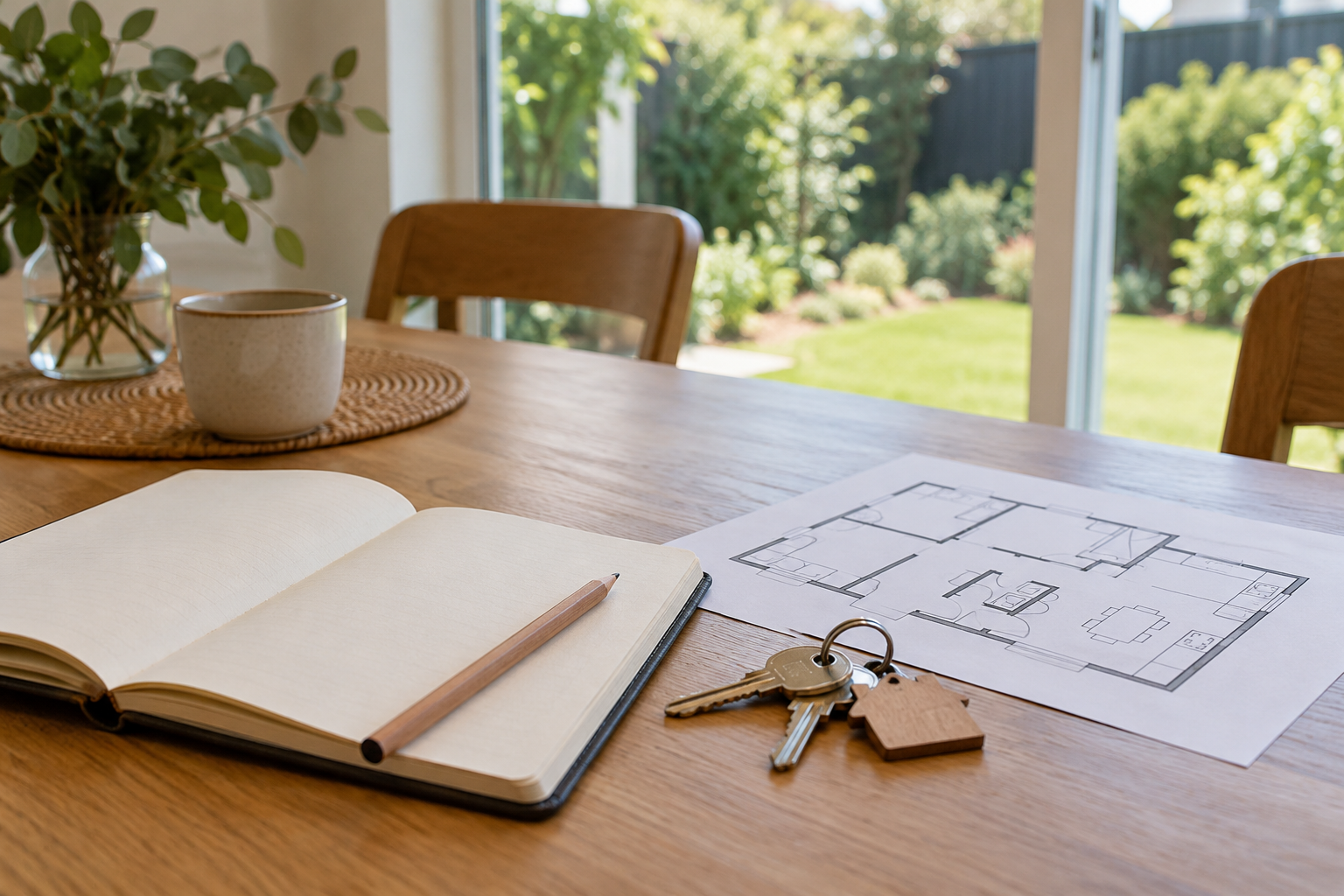
Begin with a walk-through and a written priority list
Walk through the property with your salesperson before booking trades or buying new furnishings. Record each job, why it matters, the likely cost, who will do it and whether it must be finished before photography. Separate urgent maintenance, small presentation improvements and larger projects that need a considered decision. A renovation undertaken only to sell does not come with a guaranteed return.
Include the less photogenic details: doors that stick, damaged seals, leaking taps, gutters, lighting and safe access. Use appropriately qualified trades where required. If there is a known defect, seek advice about addressing and disclosing it; a cosmetic cover-up does not resolve the underlying issue.
Prepare the property information as carefully as the rooms
Gather available plans, consent and completion records, warranties, maintenance information and details of relevant improvements. Identify questions about boundaries, shared access, services and additional accommodation. Ask your lawyer and salesperson what information will be needed and how known issues should be handled. Do not describe a converted room or extra unit as approved accommodation without checking its status.
For a section, bring together the relevant title restrictions and available service information. For a lifestyle holding, locate records for water supply, wastewater systems and any resource consents. Our sections guide and lifestyle and rural guide show the questions buyers may raise. Resolving gaps early can make that conversation more useful.
Show how the home works through the year
In Wānaka, buyers may be thinking about both summer visitors and winter routines. Make the heating controls accessible, collect available servicing information and explain the home’s insulation, glazing and ventilation accurately. Avoid promising that a house is warm, efficient or inexpensive to run without support for the claim. If you have running-cost information, explain the period and household circumstances so buyers can put it in context.
Clear entrances and demonstrate practical storage for wet clothing, bikes or outdoor equipment where the home actually provides it. Make garages, utility areas and outdoor access easy to inspect. A property should be presented honestly in the season in which it is viewed; photographs cannot establish year-round sunlight or comfort.
Help photographs explain the layout
Clean windows, clear benches and reduce visual clutter while keeping the home recognisable. Plan which rooms need furniture moved and where temporary items will be stored. Agree the photography timing and the features to show, including living areas, useful storage and outdoor connections. A floor plan can help buyers understand how those spaces relate.
Discuss privacy before images are taken. Put away sensitive documents, personal photographs and valuables, and agree how identifying items should be handled. If you use styling or digital alterations, ask how buyers will be shown an accurate picture of the property and what is included in the sale.
Make viewings manageable while you still live there
Agree access arrangements, open-home preparation, pets, keys and how much notice you need for private appointments. Keep a short reset list for busy days: entrance, main living spaces, bathrooms, ventilation and secure storage for personal items. Tell the agent about work-from-home or family arrangements that affect access.
If the property is occupied by tenants or other people, obtain advice about their rights, permissions and the correct process before arranging photography or visits. Do not assume a sale campaign removes existing obligations. Confirm the practical plan with the people affected and your advisers.
Review the campaign before spending more
Ask which preparation costs are separate from marketing and commission, what must be authorised and when payment is due. Once the home is ready, use our marketing guide to plan the campaign and our sale methods guide to discuss the selling approach. Keep a copy of the agreed work and budget so any later changes are a deliberate decision.
Build a preparation plan for your property
We can walk through the priorities with you and explain the evidence behind an appraisal. Tell us your timing, budget and any work already planned. Request a property appraisal, use the form below or call Ray White Wānaka on 03 443 8912.